June 12, 2026
Hiring local concrete services is a critical decision for any construction project, whether residential or commercial. The quality of concrete work can greatly influence the durability, safety, and aesthetics of your project. Local contractors offer the advantage of familiarity with regional standards and weather conditions, which can affect concrete performance. Additionally, working with nearby services can streamline communication and coordination, ensuring a more efficient project flow. Therefore, understanding what to expect when hiring these services can significantly impact the success of your construction endeavor.
Understanding Your Concrete Needs
The first step in hiring local concrete services is to comprehensively assess the scale and requirements of your project. Whether you are installing a small backyard patio or constructing a large commercial foundation, understanding the size and complexity of the work determines the specific type of service you require. Larger projects may necessitate specialized machinery and more experienced contractors to handle logistical challenges, while smaller installations require an eye for detail. Additionally, the volume of concrete needed corresponds directly to your budget planning, making precise measurements and professional estimations essential from the very beginning.
Seeking professional consultation early in the planning phase helps clarify the exact scope of work needed for your structure. Experienced contractors can assess your site conditions and suggest the most appropriate concrete solutions, such as specific mix designs or reinforcements tailored to your soil type. This foundational planning reduces potential misunderstandings with service providers and establishes a clear framework for milestones and deliverables. By defining these parameters before any excavation begins, you align project outcomes with your personal expectations and financial capacity, ensuring a smoother transition into the active construction phase.
In addition to dimensions and design preferences, environmental elements must be evaluated before the physical pouring begins. Factors such as localized drainage patterns, historical shifting of the earth, and root networks from nearby trees can profoundly impact the long-term structural integrity of your installation. Professional technicians evaluate these landscape variables to determine if advanced grading or soil stabilization sub-bases are required to provide a reliable layout. Addressing these subtle site-specific challenges early prevents future cracking and minimizes the need for costly structural corrections down the road.
Researching Local Concrete Service Providers
Identifying reliable sources is critical when finding competent professionals in your area. Online directories, business ratings, and customer feedback provide valuable insights into a contractor's reliability, punctuality, and overall communication skills. However, community networking and personal referrals from neighbors or colleagues often yield the most trusted recommendations, as they come with firsthand experience regarding quality. Evaluating a contractor's portfolio of past projects is another practical way to verify their expertise, allowing you to examine their craftsmanship and attention to detail on similar structural tasks.
Verifying a contractor's credentials, insurance details, and industry certifications is a vital step in protecting your investment and ensuring legal compliance. Reputable companies will readily provide proof of licensing and workers' compensation, which protects you from liability during the project. According to the Michigan Concrete Association, once the initial coat of sealer has been applied to concrete, it only needs to be reapplied every three to five years. Knowing these maintenance standards helps you evaluate whether a contractor uses premium materials and offers accurate long-term care instructions during your initial consultations.
Beyond reviewing digital portfolios and verified credentials, scheduling direct interviews with prospective contractors yields deeper insights into their operational transparency. Ask clarifying questions regarding their waste disposal practices, clean-up operations, and how they handle accidental property damage during heavy machinery transit. True professionals demonstrate clear operational accountability by walking you through their safety protocols and environmental containment strategies. Gathering this detailed logistical information removes ambiguity, allowing you to select a crew that respects your residential boundaries and property aesthetics.
Assessing the Expertise of the Service Providers
Evaluating the technical skills and specific specializations of a contractor helps ensure they can execute your project without compromising on structural integrity. Some professionals focus heavily on decorative finishes and stamped patterns, while others specialize in heavy-duty commercial foundations or structural retaining walls. A contractor's years of experience in the industry often translate to refined problem-solving skills and resilience when facing unexpected site challenges. Seasoned crews are adept at adjusting mixtures and pouring techniques based on immediate environmental factors, maximizing the durability of the finished product.
Furthermore, look into the employee training programs and equipment standards maintained by the local concrete services you are considering. Regular training ensures that the staff is fully updated on modern safety regulations, evolving placement techniques, and optimal curing practices. Low employee turnover rates are generally indicative of stable operations and consistent workmanship across all phases of construction. A company that invests in modern machinery and well-trained personnel demonstrates a strong commitment to efficiency and precision, which directly safeguards your property and timeline.
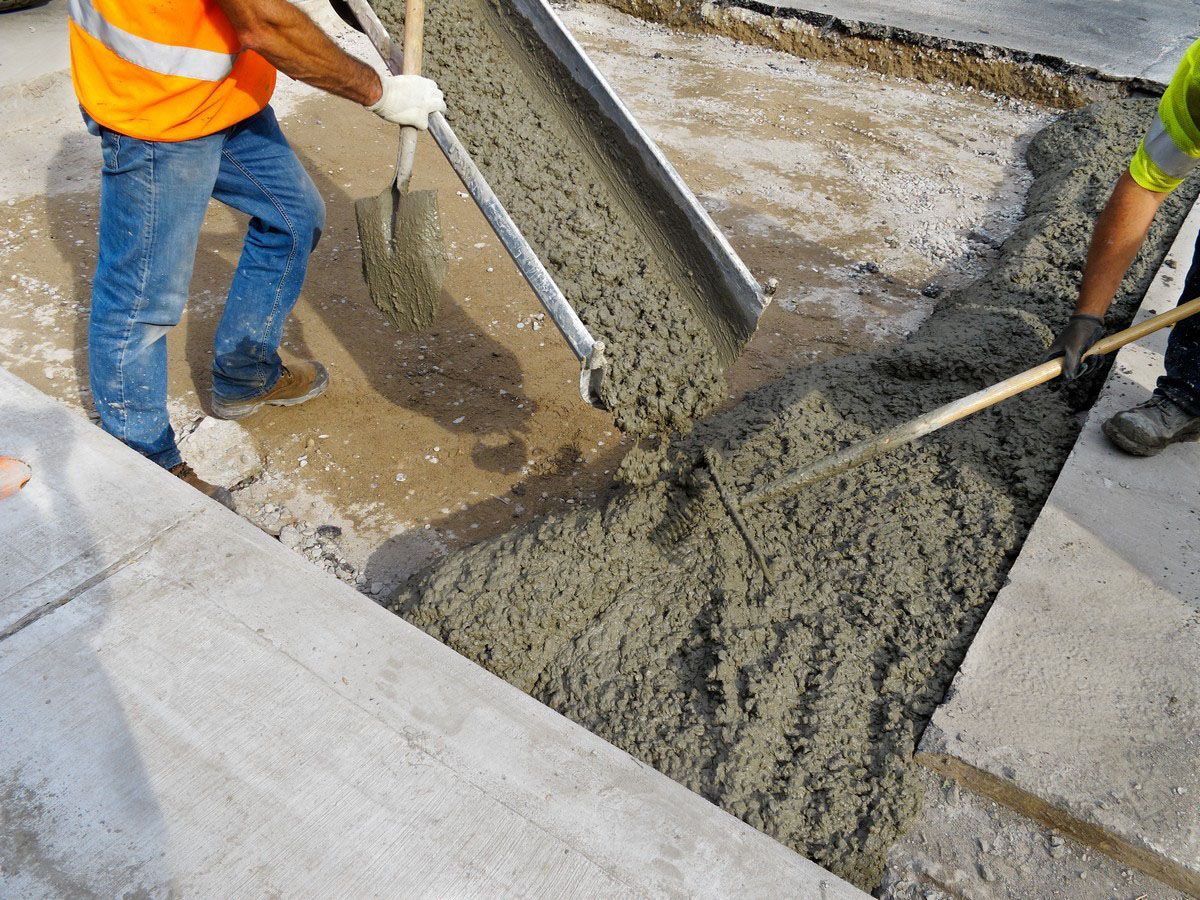
Evaluating the operational machinery itself provides clear evidence of a crew's overall capability and mechanical preparedness. Modern volumetric mixers, laser screeds, and precise finishing tools allow technicians to execute installations with exact structural tolerances. When service teams prioritize up-to-date machinery alongside rigorous mechanical upkeep, the likelihood of unexpected equipment failure during a critical pour drops dramatically. Ensuring your chosen provider utilizes reliable, state-of-the-art tools gives you confidence that the physical installation will proceed efficiently and meet all engineering standards.
Managing Project Timelines and Budgets
Establishing a detailed contract that explicitly outlines timelines, deadlines, and payment schedules is fundamental to a successful working relationship. Construction projects naturally depend on external factors like regional weather patterns, which heavily influence curing and setting times. Working with local concrete services guarantees that your crew understands regional climate behavior and can optimize scheduling to mitigate rain or freezing delays. Continuous communication and an adaptive timeline allow for necessary structural adjustments while maintaining the broader project completion goals.
Open discussions regarding budget constraints enable transparency and prevent unexpected expenses as the job progresses. Your written agreement should itemize the costs of raw materials, labor, permits, and finishing coats to ensure complete clarity. Factoring a small buffer into your financial planning helps manage any unforeseen site preparation challenges, such as grading issues or hidden underground obstructions. A collaborative financial approach with your chosen contractor builds mutual trust and ensures that the structural quality of your project remains uncompromised from start to finish.
Ensuring Long-Term Durability and Maintenance
The completion of the pouring and finishing phases is not the end of your concrete investment; long-term durability requires proper post-installation care. Contractors should provide explicit guidelines regarding how long the surface must cure before structural loads, vehicles, or heavy foot traffic can be introduced. Implementing correct moisture-retention methods during the initial days of curing is paramount to preventing premature cracking and scaling. Trusted professionals will walk you through these immediate steps to ensure the material reaches its maximum compressive strength.
Applying high-quality sealers and scheduling routine cleanings will shield the surface from severe weather, stains, and chemical erosion over time. Partnering with professional local concrete services ensures that you receive proper guidance on maintenance expectations before the project concludes, allowing you to preserve both aesthetics and structural soundness. Selecting a team that stands by their craftsmanship and offers comprehensive post-project guidance ensures your installations remain functional and beautiful for decades.
Developing a consistent relationship with your installation team ensures you have a reliable resource for seasonal inspections and restorative maintenance. Over time, heavy environmental wear or severe winter shifts may require minor joint cleanings or fresh topical protective applications. Having an established, trusted team familiar with the exact mix design and placement history of your pavement streamlines these routine touch-ups. For more information about the services that we offer, reach out to our incredible team at Henderson Concrete Construction Inc today!